
What Is Thai Massage therapy?
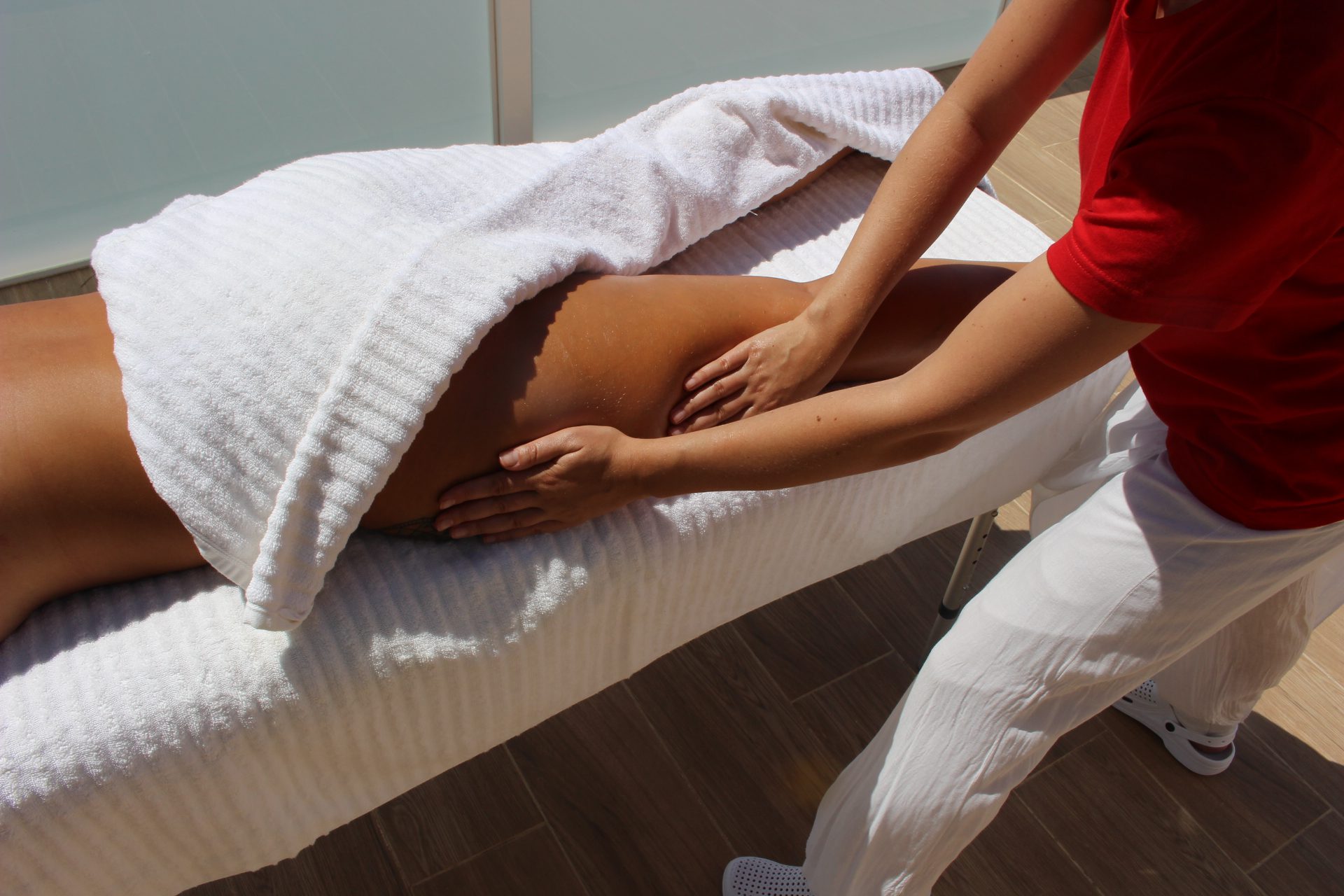
Nuad Bo Rarn, essentially translated as « old massage », is an one-of-a-kind and extensive style of bodywork. Unlike its western counterpart, Nuad Bo Rarn, or Thai massage therapy is performed on a mat on the floor and the customer is fully outfitted. Thai massage combines acupressure, yoga exercise and massage to create an absolutely all natural massage experience.
There are two styles of Thai massage, Southern design or Wat Pho design and North style. These 2 designs of Thai massage come from both initial institutions of Thai massage. Southern style originated at Wat Pho in Bangkok and Northern design comes from the Old Medication Healthcare Facility in Chiang Mai. Both colleges are still in operation today.
Although both styles of Thai massage therapy have the same standard structure there are considerable differences between the two massages. Southern style concentrates primarily on acupressure and energy lines and uses a much more powerful stress. Northern design is slower and gentler (yet this is still a really strong massage) and focuses much more on the yoga exercise like extending.read about it https://massage-in-valencia.com/thai-massage/ from Our Articles Northern design Thai massage therapy is what is most typically exercised in the USA. In this course you are discovering North design Thai massage.
This massage therapy is one-of-a-kind in its attributes as it can really be a kind of physical, emotional and psychological workout for both entailed. The receiver in fact comes to be an active participant in the massage therapy and the provider also takes advantage of the stretches if done correctly. More than that, Thai massage can be a type of meditation for both events. Historically, Buddhist monks executed Thai massage in the temples as part of their Vippasana meditation to help them in attaining a clear and peaceful mind.
Thai massage go back 2500 years to India at the time of Buddha. The creator of Thai massage therapy was an ayurvedic physician called Dr. Shivago Komarpaj. He was a personal friend and physician to the Lord Buddha. Dr Komarpaj created this system of, recovery utilizing the concepts of yoga exercise and ayurveda and showed the approach to Buddhist monks that did it in the temples.
Generally, Buddhist monks were nomadic and Buddhist temples were the centers for healing in a neighborhood. This is why overtime Dr Komarpaj’s system of recovery spread to Thailand. Additionally, Thai individuals are descendants from China so the concepts of Chinese Medicine combined with Dr Komarpaj’s techniques are where Thai massage and Thai standard obtains its origins.
Thai standard medicine became the primary recovery practice in Thailand. Family members and tribes began practicing on each other and the understanding was passed down from generation to generation. Old messages were developed recording the techniques and point places and numerous still exist today.
In the late 1700’s Thailand was almost overwhelmed by the Burmese. The old funding of Ayuthia was damaged. A number of the old messages were lost. In 1832 King Rama III decided it was of utmost significance to protect this ancient recovery art. He had the most important continuing to be texts inscribed in stone and set right into the walls of Wat Pho temple in Bangkok. The king made Wat Pho the initial college and school for conventional medicine which is still in operation today.
As modern medicine became popular in the West, the methods began to make their way to the East as well. Conventional medication was made use of less and much less, particularly in the cities. Although this modern-day medicine was able to do several things that typical medicine might not, it became clear that there was a drawback to the use of numerous chemicals. Therefore in 1985 the Thai federal government launched the Thai massage therapy revival project. By the mid 1990’s Thai massage was back in the forefront and began drawing in global focus. Currently Thai massage therapy is increasing in popularity at spas and health centers throughout the world.

Répondre
Want to join the discussion?Feel free to contribute!